
"Barren Rock"
200 article(s) found

Climatic characteristics and brief introduction of coffee beans in El Salvador
Follow Ka Pai (Wechat official account vdailycom) found that the beautiful cafe opened a small shop of its own climate features savanna climate. The plain area belongs to the tropical rain forest climate and the mountain area belongs to the subtropical forest climate. The average annual temperature is 25-28 ℃. The annual precipitation is more than 1800 mm in mountain areas and about 1000 mm in coastal areas. The rainy season is from May to October. Don't underestimate Salvadoran coffee

Costa Rica Guanacaster Coffee hand siphon Press Pot Philharmonic pressing method
Professional Coffee knowledge Exchange more information on coffee beans Please follow Coffee Workshop (official Wechat account cafe_style) Guanacaster Nature Reserve, Costa Rica is an important natural habitat that maintains biological diversity, including the best dryland forest habitat, biological communities from Central America to northern Mexico and major endangered plants and animals. This place

Introduction to the flavor and taste characteristics of El Salvador Himalayan coffee varieties
El Salvador (ElSalvador) is one of the small countries in Central America, where coffee is light, fragrant, pure, slightly sour and characterized by excellent balance of flavor. It is a specialty of Central America. With sour, bitter, sweet and other taste characteristics, the best baking degree is moderate, deep. Salvadoran Coffee-Coffee originated in the early 1990s, guerrilla warfare greatly damaged the country's national economy.

A brief introduction to the History and Culture of the Origin and Development of El Salvador Pacamara Fine Coffee beans
El Salvador boutique coffee is concentrated in the volcanic rock producing areas of Santa Ana in the west and Charantanan fruit in the northwest. In recent years, the top 10 cup tests are almost entirely from these two producing areas, with an altitude of about 9-1500 meters, mainly bourbon (68%). Followed by Pacas (29%), mixed-race Pakamara, Dulaai and Kaddura accounted for only 3%. The coffee harvest season has been held since November.

Description of slightly sour Renas Manor Coffee Variety producing area
Many coffee lovers will not know the country of El Salvador, which is located in the north of Central America. It is bordered by Honduras to the north, the Pacific Ocean to the south, Guatemala to the west and northwest, and the Gulf of Fonseca in the Pacific to the east. The smallest and most populous country in Central America. The topography is mainly mountainous and plateau, with many volcanoes. Santa Ana active volcano is 2385 meters above sea level, which is the highest peak in the country.

Long aftertaste of El Salvador Renas Manor Coffee Flavor and taste characteristics of boutique coffee
Savanna climate. The plain area belongs to the tropical rain forest climate and the mountain area belongs to the subtropical forest climate. The average annual temperature is 25-28 ℃. The annual precipitation is more than 1800 mm in mountain areas and about 1000 mm in coastal areas. The rainy season is from May to October. Don't underestimate El Salvador's coffee production. In its heyday, it was the world's fourth largest coffee producer, but decades of civil war almost dragged down coffee
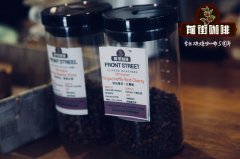
Varieties of coffee beans planted and treated in Guanacaster Coffee Manor, Costa Rica
Professional Coffee knowledge Exchange more information on coffee beans Please follow Coffee Workshop (official Wechat account cafe_style) Guanacaster Nature Reserve, Costa Rica is an important natural habitat that maintains biological diversity, including the best dryland forest habitat, biological communities from Central America to northern Mexico and major endangered plants and animals. This place

Introduction of coffee producing areas in El Salvador and what are the characteristics of coffee flavor
Salvadoran coffee ranks side by side with Mexico and Guatemala as the producers of Asa and Merdo, and is fighting for the top one or two places in China and the United States with other countries. The highlands of origin are large coffee beans of all sizes, which are fragrant and mild in taste. Like Guatemala and Costa Rica, coffee in El Salvador is graded according to altitude, and the higher the altitude, the better the coffee

Costa Rica Guanacaste coffee bean processing method introduces what flavor difference there is in washing and sun
Guanacaste Nature Reserve is an important natural habitat that maintains biodiversity, including the best dryland forest habitats, biological communities from Central America to northern Mexico, and major endangered plants and animals. The land and sea of this place

Introduction to the method of taste treatment in El Salvador Pacamara coffee flavor description manor area
El Salvador's unique high-grade variety Pacamara, Pacamara is a sudden variation of the bourbon species found by Pacas Pacas- in El Salvador and a hybrid with the giant bean Maragogype, a sudden variant of the Tibica species found in Brazil. The interesting thing about Christmas farm coffee is that its refining method is secret, using minerals.
Processing methods of characteristic flavor and taste of coffee beans in Guanacaster, Costa Rica
Professional Coffee knowledge Exchange more information on coffee beans Please follow Coffee Workshop (official Wechat account cafe_style) Guanacaster Nature Reserve is an important natural habitat that maintains biological diversity, including the best dryland forest habitats, biological communities from Central America to northern Mexico and major endangered plants and animals. The land and sea of this place

Characteristics of Flavor and Flavor of Guanacaste Coffee in Guanacaster Coffee production area of Costa Rica
Professional Coffee knowledge Exchange more information on coffee beans Please follow Coffee Workshop (official Wechat account cafe_style) Guanacaster Nature Reserve is an important natural habitat that maintains biological diversity, including the best dryland forest habitats, biological communities from Central America to northern Mexico and major endangered plants and animals. The land and sea of this place

Introduction to the taste characteristics of Salvadoran coffee varieties with long aftertaste
El Salvador's domestic topography is mainly mountainous, plateau, volcanic, known as the country of volcanoes, Santa Ana active volcano 2385 meters above sea level, the highest peak in the country; the northern part of the country is the Lompa Valley and the southern part is the narrow coastal plain. Climatic characteristics all over El Salvador has a tropical climate, with an annual average temperature of 28 ℃; dry season from November to April and rainy season from May to October; coastal and lowland atmosphere

Description of the flavor of Salvadoran coffee beans with a long afterrhyme introduction to the production area of grinding scale manor
Description of the flavor of Salvadoran coffee beans with a long aftertaste Pacamara varieties are introduced as artificially cultivated varieties Pacas and Maragogipe in grinding scale manor. It was first cultivated by researchers in El Salvador in 1958. Pacamara is a rare excellent variety under artificial breeding, which is better than blue, which perfectly inherits the advantages of the mother plant, and has the excellent mouth of Pacas species.

A brief introduction to the description of flavor, taste and aroma characteristics of El Salvador Pacamara boutique coffee beans with balanced taste
El Salvador boutique coffee is concentrated in the volcanic rock producing areas of Santa Ana in the west and Charantanan fruit in the northwest. The top 10 cup tests in recent years almost all come from these two producing areas, with an altitude of about 90-1500 meters above sea level, mainly bourbon (68%). Followed by Pacas (29%), mixed-race Pakamara, Dulaai and Kaddura accounted for only 3%. The coffee harvest season lasts from November
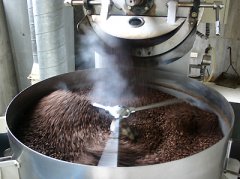
A brief introduction to the history and culture of the origin and development of El Salvador Pacamara boutique coffee beans with balanced taste
El Salvador boutique coffee is concentrated in the volcanic rock producing areas of Santa Ana in the west and Charantanan fruit in the northwest. The top 10 cup tests in recent years almost all come from these two producing areas, with an altitude of about 90-1500 meters above sea level, mainly bourbon (68%). Followed by Pacas (29%), mixed-race Pakamara, Dulaai and Kaddura accounted for only 3%. The coffee harvest season lasts from November

Introduction of El Salvador Himalayan Coffee varieties based on the characteristics of Grinding degree, taste and Flavor
In the early 1990s, guerrilla warfare greatly damaged the country's national economy, reducing coffee production from 3.5 million bags in the early 1970s to 2.5 million bags in 1990-1991. The eastern part of the country was most affected by guerrilla warfare, and many farmers and workers were forced to leave the manor. The shortage of funds has led to a sharp drop in coffee production, from 1200 kg per hectare in the past to no yield per hectare today.

Characteristics of grindability of El Salvador Himalayan Coffee cultivation of varieties by description of taste and flavor
Savanna climate. The plain area belongs to the tropical rain forest climate and the mountain area belongs to the subtropical forest climate. The average annual temperature is 25-28 ℃. The annual precipitation is more than 1800 mm in mountain areas and about 1000 mm in coastal areas. The rainy season is from May to October. Don't underestimate El Salvador's coffee production. In its heyday, it was the world's fourth largest coffee producer, but decades of civil war almost dragged down coffee

Introduction to the manor characteristics of the fragrant and pure Salvadoran coffee flavor producing area
China coffee network savanna climate. The plain area belongs to the tropical rain forest climate and the mountain area belongs to the subtropical forest climate. The average annual temperature is 25-28 ℃. The annual precipitation is more than 1800 mm in mountain areas and about 1000 mm in coastal areas. The rainy season is from May to October. Don't underestimate El Salvador's coffee production. In its heyday, it was the fourth largest coffee producer in the world, but it lasted decades of civil war.
Introduction to the variety treatment method for describing the characteristics of grinding degree of El Salvador Himalayan coffee
A brief History of Coffee production in 1742, coffee was introduced to El Salvador from the Caribbean (1740). In the mid-19th century, El Salvador's original export pillar Indigo (one of the dyes) received a gradual decline in the development of synthetic dyes in Europe, and coffee gradually became the main export product under the guidance of the government. In 1856, the first 693 bags of coffee beans were shipped to Europe. all long